
Influencer vs. Journalist
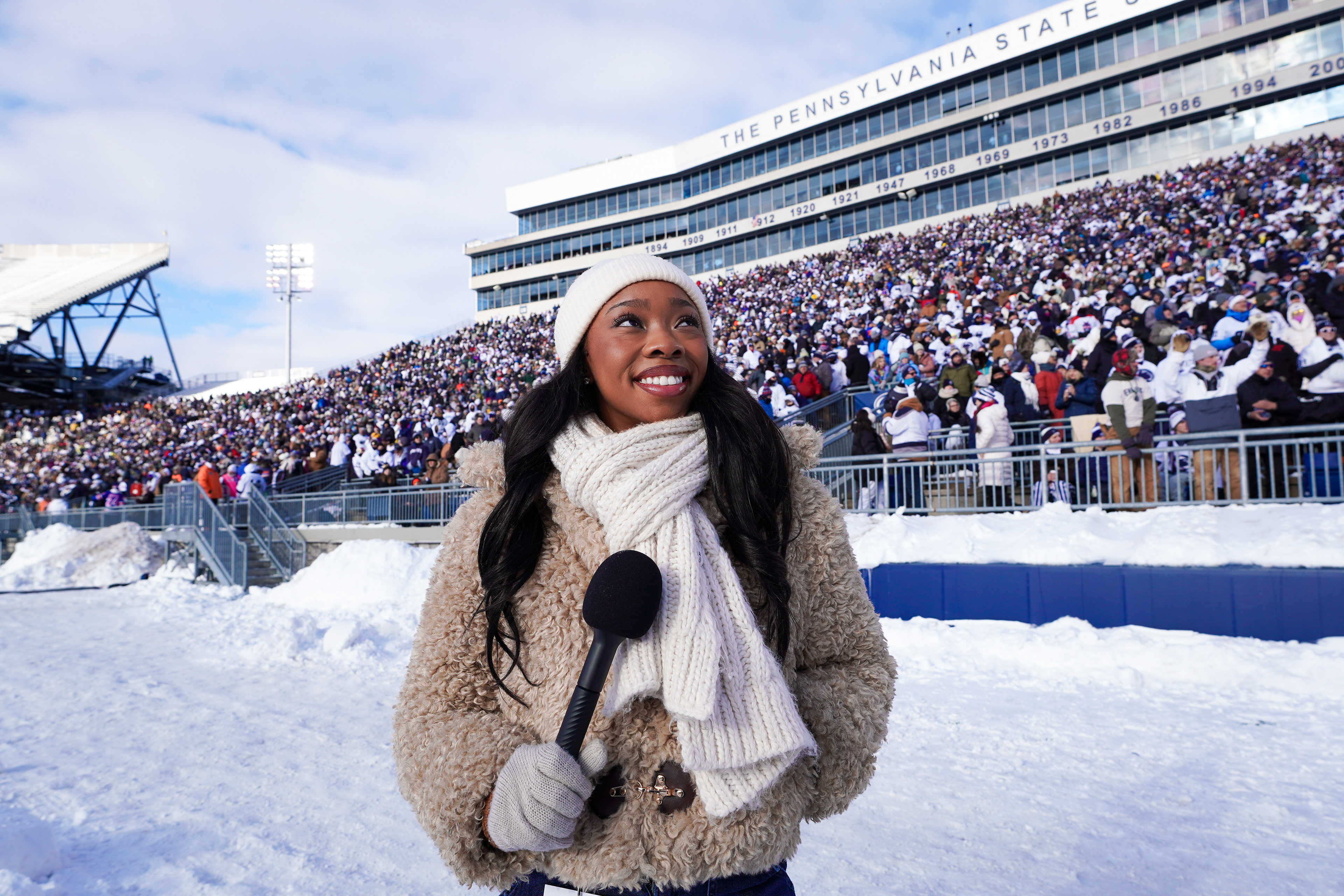
In a world where TikTok and Instagram have become news platforms of choice, where do journalists fall? Do we post more online and join the herd, or stick to our pens and paper, teleprompters and microphones? Are the phones that changed our lives friends or foes?
As a 21-year-old stepping into the field "bright-eyed and bushy-tailed," I struggle with this myself. I have a love-hate relationship with my phone, but I feel that by not posting every experience or interview, it’s almost as if it didn't happen.
So, do we combat the reality that social media is the new medium for information and conversation, or lean into it? For me, it is a bit of both. I enjoy posting and engaging with my audience; it is amazing that people can support us from thousands of miles away.
Then sometimes, I just live. I experience my hard work and the places it takes me.
I try to find that one thing we have all been searching for: balance.
The Rise of Athlete-Driven Media
Credit: USC Annenberg
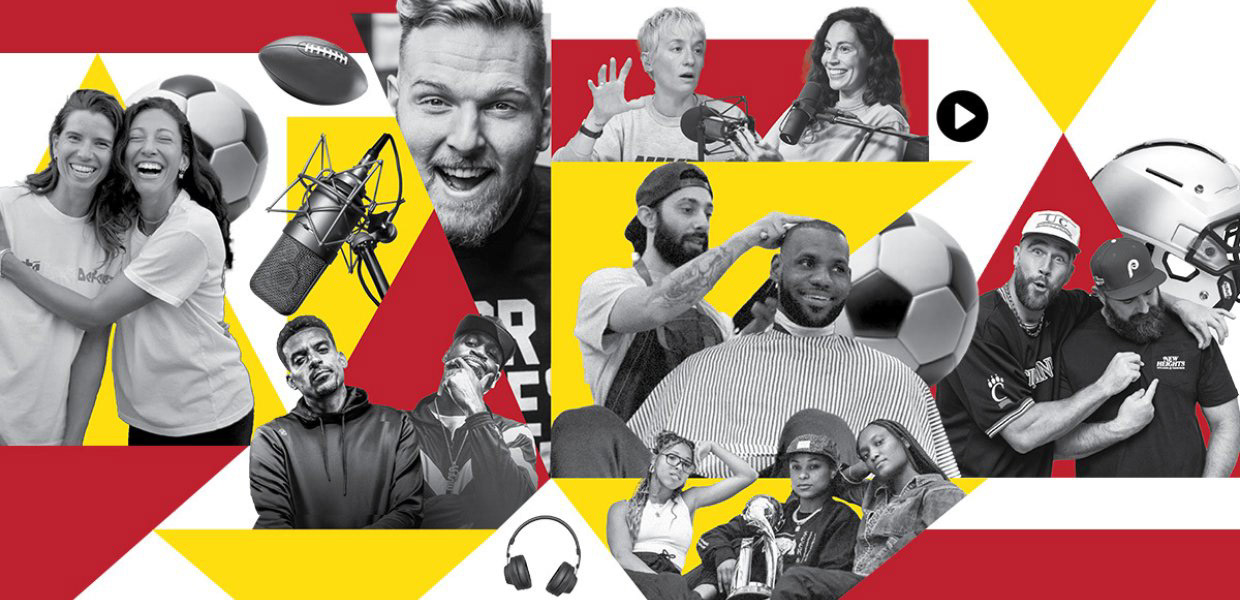
Athletes are no longer just the subjects of stories; they are now the primary architects of their own narratives. According to Elixirr’s 2026 Sports Trends, players are increasingly leveraging direct-to-fan platforms to monetize their personal brands independently of traditional team or league structures. This shift represents a fundamental reorganization of how sports value is created and captured.
When a star can post a raw, emotional reaction to Instagram Live or their personal YouTube channel before even hitting the locker room, the interviewer’s role undergoes a drastic transformation. We are moving from "news-breakers" to "context-providers." Our job is no longer to get the first quote, but to offer the deep "why" that a self-produced, glossy social media clip often lacks.
This trend is more than just a quest for visibility; it is an economic and cultural shift. A USC Annenberg study reveals that athlete-owned media is rebalancing power by allowing players to decide which stories get told. By bypassing legacy gatekeepers, athletes can preserve their authenticity and address topics like mental health and identity that are rarely explored in standard broadcast formats.
For a broadcast journalism student or professional, this means our "competition" is the very talent we are interviewing. To remain an essential partner in this ecosystem, our questions must be sharper. Asking about a "good game" is obsolete in 2026. Instead, referencing specific technical data—like a player's documented increase in high-intensity sprints—demonstrates the mastery required to engage modern, data-savvy audiences.
While athletes control their branding, I believe the future of the sports interview lies in radical empathy. AI can generate statistical queries, but it cannot read a player's body language or sense the quiet tension of a locker room.
In an era of automated content, the "human touch"—recognizing a player's mental fatigue or a coach's quiet pride—becomes a journalist's greatest competitive advantage. We are observers of the human condition under extreme pressure. To thrive in 2026, we must marry high-tech data with high-touch emotional intelligence to provide the depth that fans—and future employers—crave.
The "GRWM" Effect: Why Personality-Driven Reporting is Winning
Credit: NPR
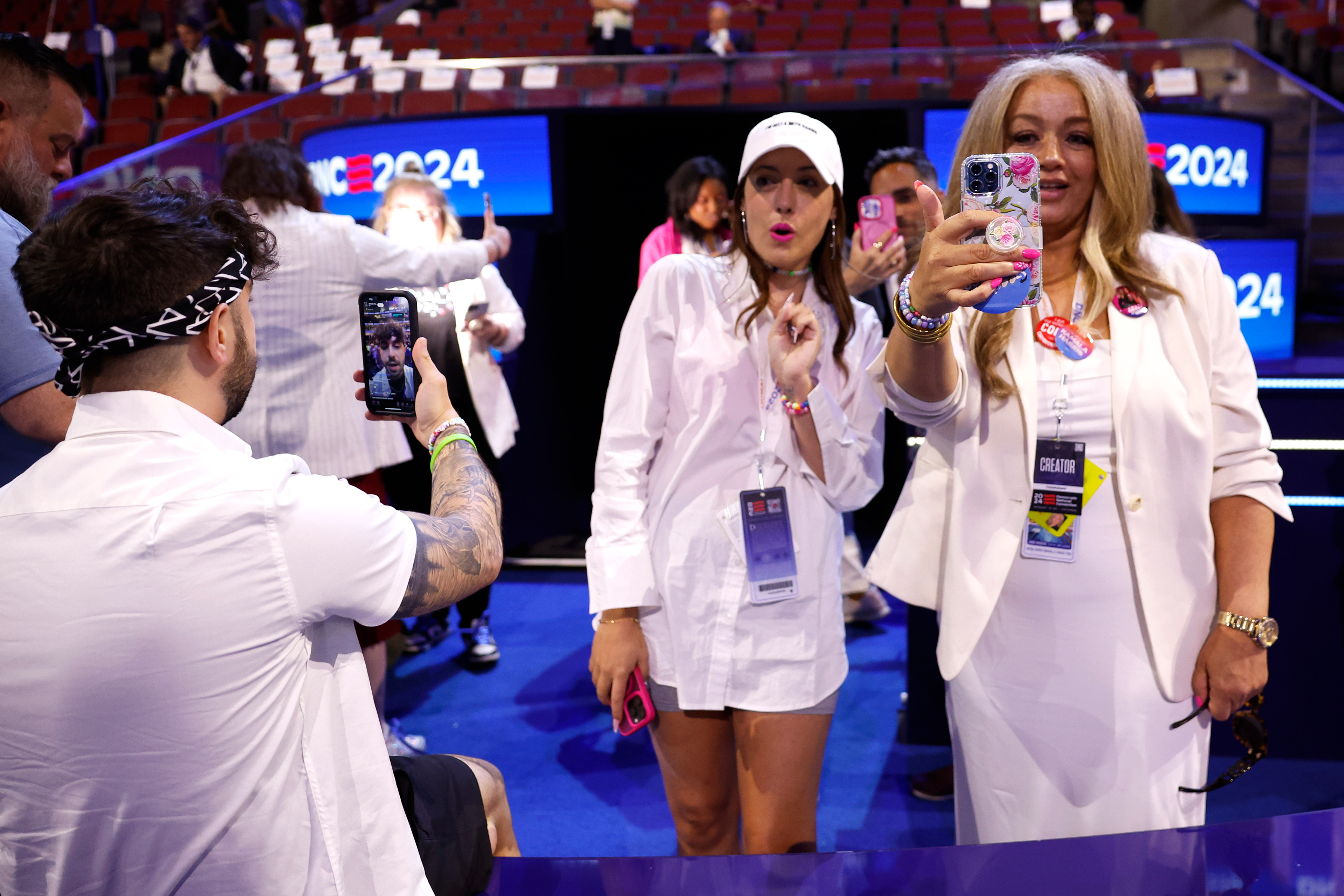
The era of the "stoic" sideline reporter is fading. As we move through 2026, the traditional broadcast wall is being dismantled by a new wave of personality-driven content. From "Get Ready With Me" (GRWM) pre-game rituals to behind-the-scenes lifestyle vlogs, reporters are no longer just delivering stats—they are building digital communities.
The shift in fan behavior is stark. According to the 2026 WSC Sports Generational Fan Study, a massive 62% of fans now discover new teams or players through short-form video. For Gen Z specifically, loyalty is increasingly built around individual athletes and media personalities rather than legacy organizations.
This "personality-first" trend means that a reporter’s digital presence is often as valuable as their on-air performance. When a journalist shares their journey—from the makeup chair to the stadium tunnel—it creates a "parasocial" bond that traditional 30-second hits cannot replicate. Fans aren't just tuning in for the score; they are tuning in for the person telling the story.
leagues and broadcasters are leaning into this "creator-led" evolution. Nielsen’s 2026 "Tops of Sports" report reveals that streaming and social-first content are driving a surge in multi-platform engagement. This is especially true as major events like the 2026 FIFA World Cup™ approach, where fan participation is expected to happen primarily via mobile feeds.
For the modern broadcaster, this requires a dual skill set: technical journalistic integrity paired with the relatability of a social media creator. We are seeing a "lifestyle-ification" of sports media where "Gameday with Gigi" style content isn't just "extra"—it’s the hook. By blending professional reporting with personal style, journalists can reach "casual" fans who might otherwise skip a standard highlight reel.
I believe that "authority" in sports journalism is being redefined. It used to come from a press pass; now, it comes from authenticity. In my experience, fans respond more to a reporter who shows their personality than one who hides behind a teleprompter.
The human element—the "girly girl" who knows her defensive rotations as well as her skincare routine—is what makes sports feel accessible. As we look toward the future, the journalists who successfully merge their professional expertise with their genuine personal interests will be the ones who lead the industry.